
Building Financial Literacy into the Maths Curriculum at Cromwell College
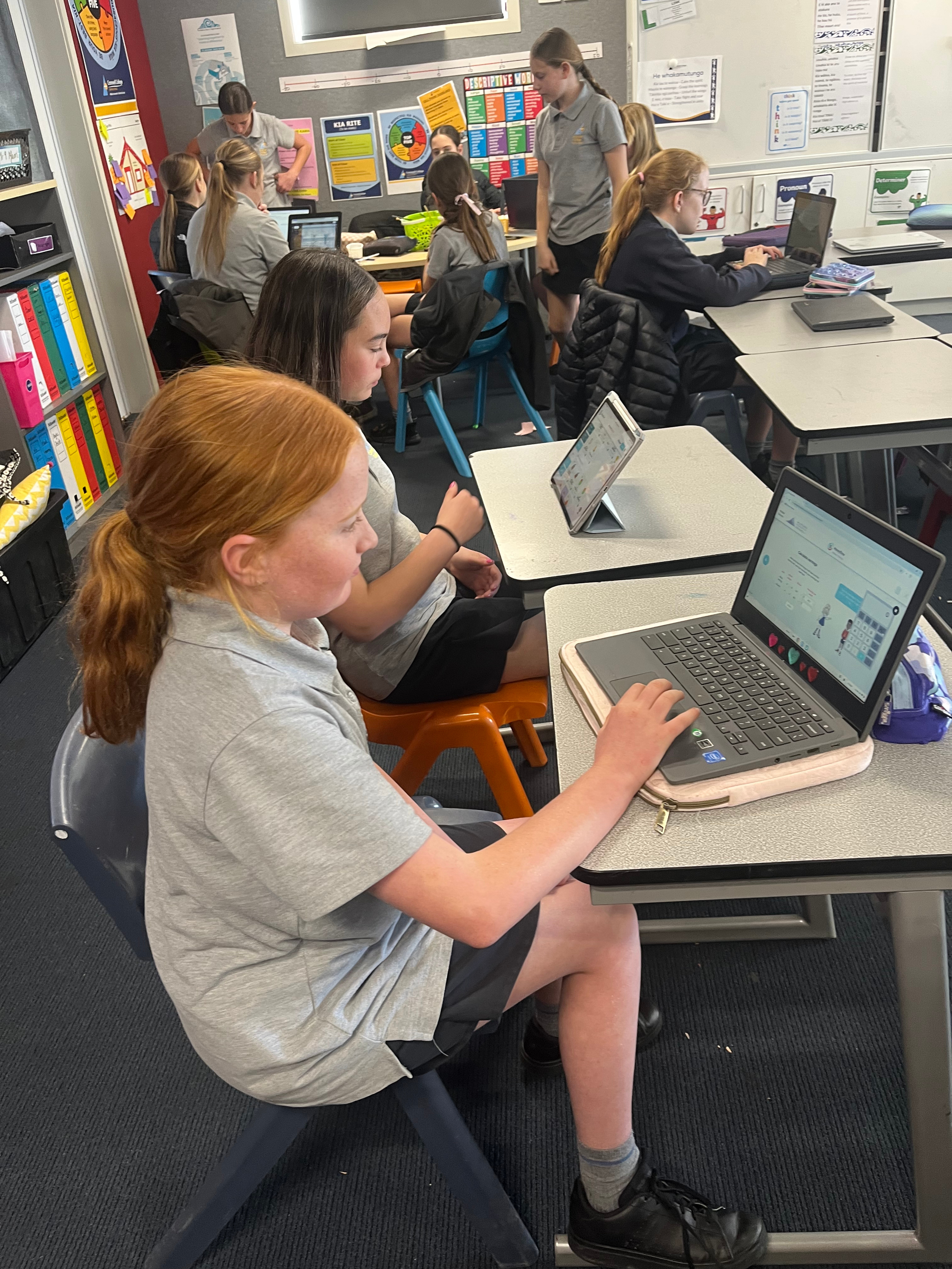
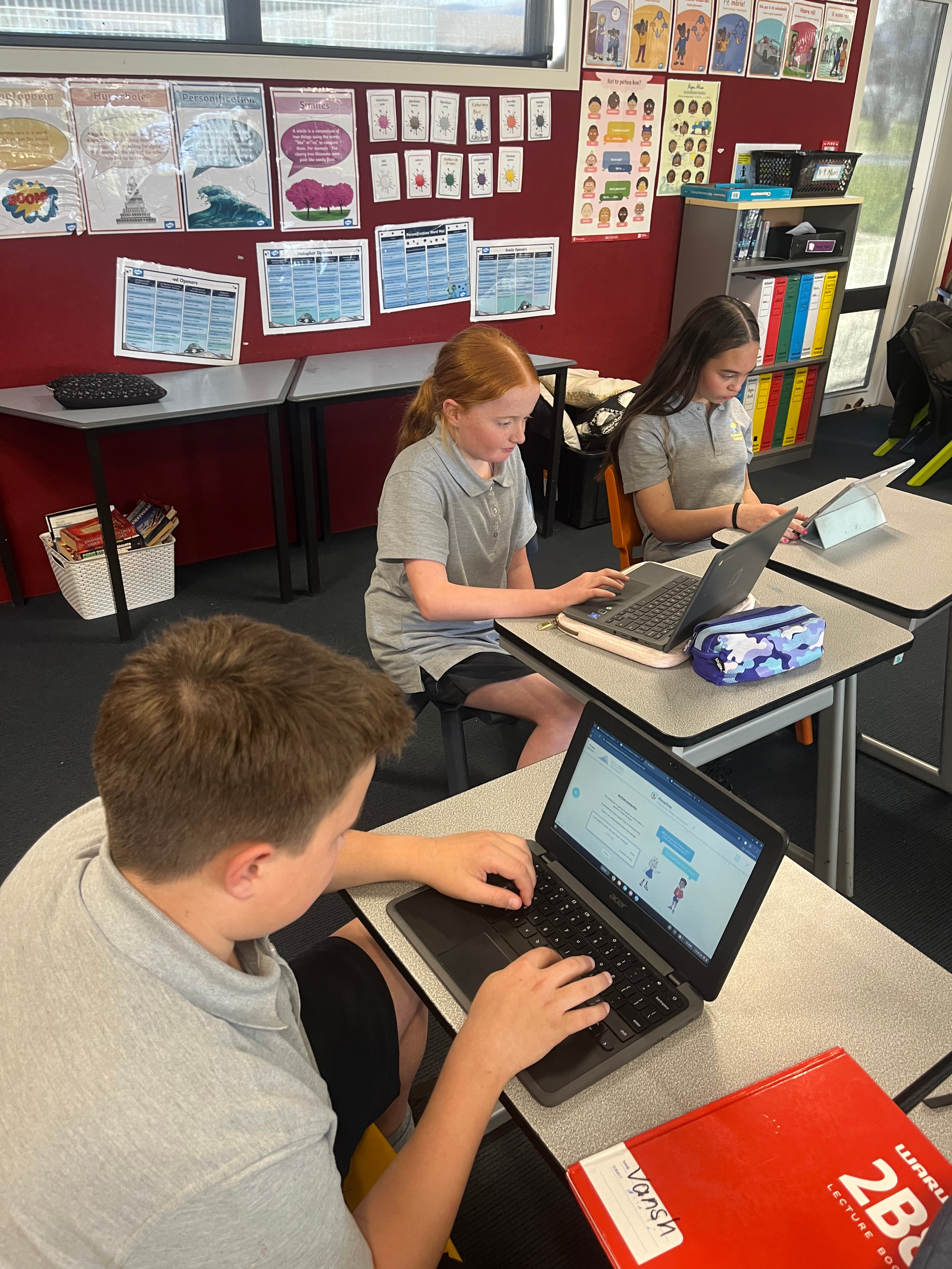
At Cromwell College in Otago, MoneyTime is run as part of the Year 7 and 8 maths program, with one hour dedicated to it each week. It’s an intentional move that bridges the gap between classroom learning and life skills that matter.
“By the end of last year, they were right into it. Earning, saving, upgrading their jobs. It was awesome to see.” laughs Renee Hawkins, the Year 7 teacher.
Making Maths Meaningful
Renee began using MoneyTime at the start of the previous school year as the college was already using MoneyTime, seeing it as a way to bring real-world relevance into the classroom. “We’re teaching maths four days a week, and then MoneyTime gets its own dedicated hour every Friday,” she explains. “It’s a great fit because it combines maths skills with real-life financial concepts, which they don’t normally get exposed to.”
Her total of 30 students from her Year 7 class haven’t just been learning about money - they’ve been learning how to manage it. “Some of them are now talking about investments and returns on investments. It’s stuff they’ve never really thought about before.”
Easy To Set Up And Get Started
Onboarding the class was smooth. “It was an easy, usable process. The kids just get a code and then log in, so it’s fairly simple,” she says. With new classes each year, Renee controls the pace of learning by unlocking modules one by one. “I’ll just go through and have a look at how big the module is. Depending on how far through the year we are, I’ll unlock a couple more if I need to keep us on track.”
Keeping modules locked, however, helps maintain classroom engagement and shared discussion. “Generally I won't unlock them too quickly. Otherwise, the kids will just keep working their way through. This way, they’re all at the same pace, they’re all at the same stage of the program, and if we have time to do a discussion at the end, they’re all talking about the same thing.”
A Hit With Students
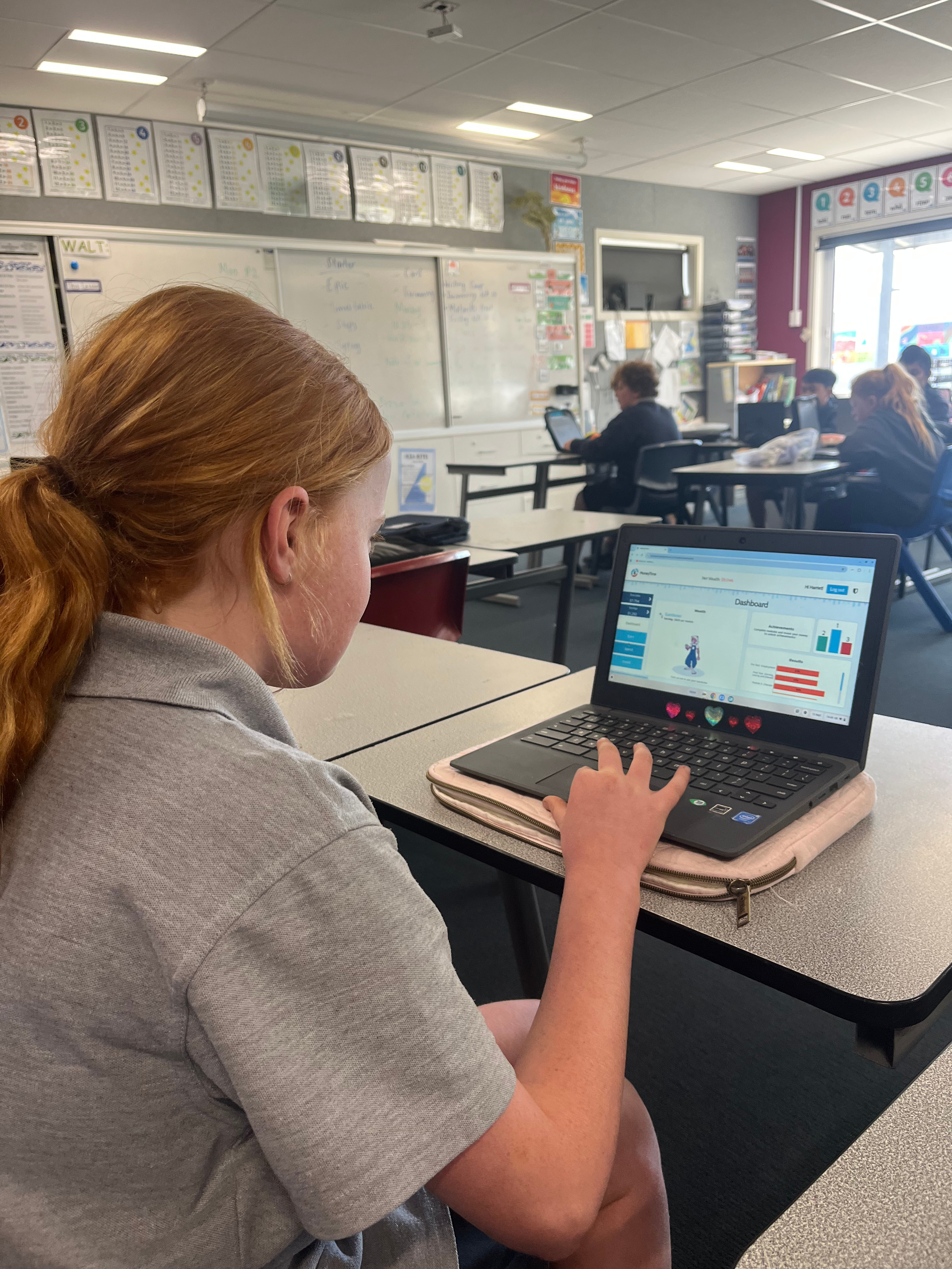
Students took to the program quickly. “They love choosing the avatars, the skins and the clothes, being able to save up instead of spending their money straight away. They like the thrill of seeing their balances & investments go up. Some of them are saving up for job upgrades instead, which is a whole other learning opportunity.”
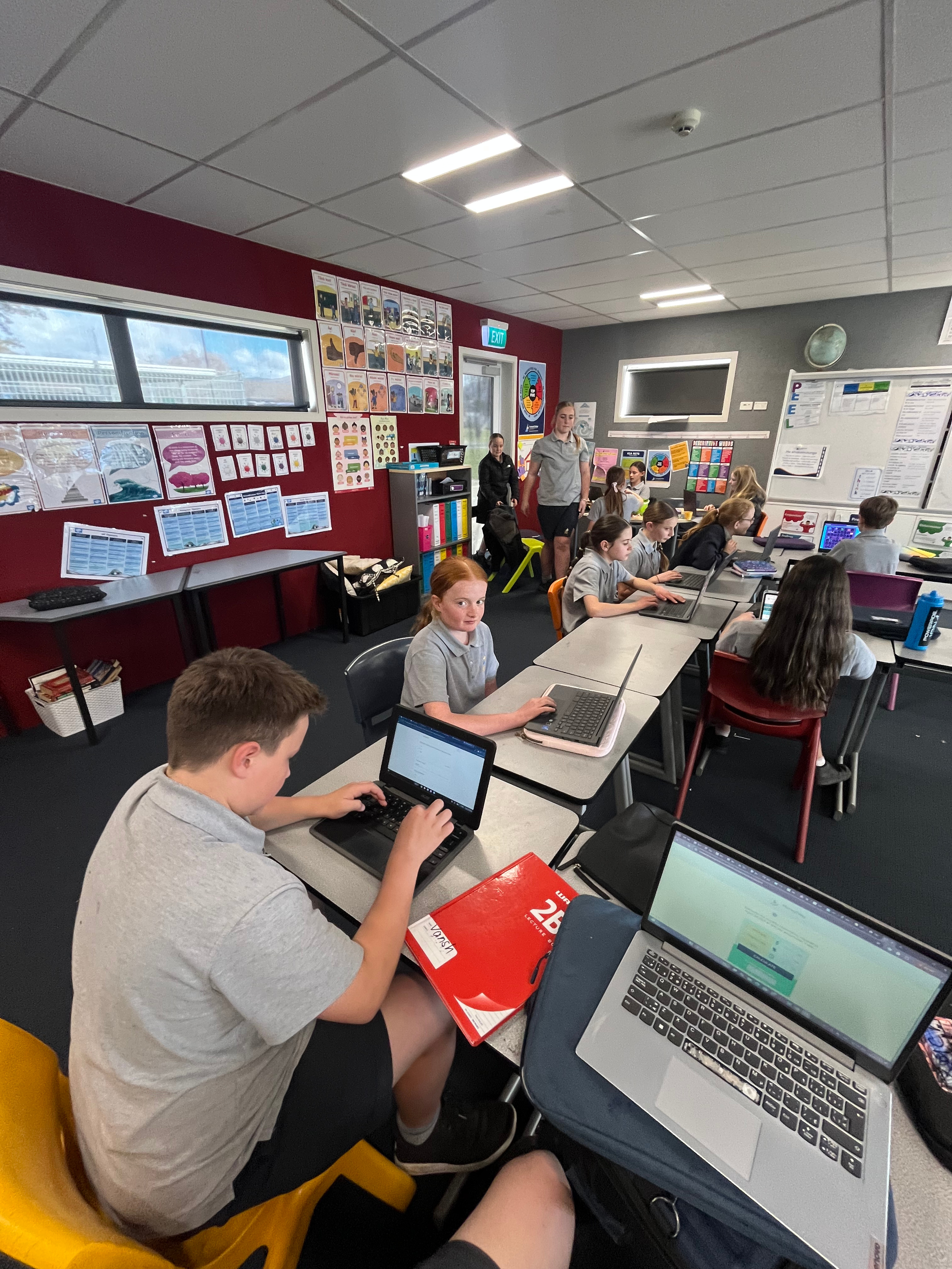
Leaderboard visibility adds an extra spark to the classroom dynamic. “We’ve got a class leaderboard going with the top 10 and bottom 10, it’s a great motivator. I try to get the top ones to explain what they were doing. A lot of it came back to long-term investing and being patient.” Renee shares. “Some of the other kids would go over to the top-ranked students and ask them, ‘How did you get this?’ or ‘Why did you do that?’ So that created some cool interactions.”
There’s also some healthy scepticism in the mix. “At one point, I was wondering, ‘Can they hack this?’” Renee laughs. “But no, it’s all legit – they’re just making smart decisions!”
A Powerful Connection With Home
Another benefit has been how students bring MoneyTime conversations into their homes. “I encouraged them to go home and talk to their parents about it. I’d say, ‘Take it home, show your parents and talk them through what we’re doing in class.’ The feedback was that the parents were really impressed with the program, often saying they wished they’d had something like MoneyTime when they were younger. “This kind of family engagement adds depth to their learning,” says Renee.
Keeping Up With Keen Students
Overall, Renee didn’t face any major hurdles implementing MoneyTime. If anything, the biggest ‘challenge’ was keeping pace with students who were hooked. “The kids were always asking to unlock more modules. Depending on how nice I was and how we were going for time, I’d unlock more.”
Advice For Other Teachers
Renee sums up MoneyTime by saying: “Comprehensive program, great content, easy to follow modules, highly engaging and insightful for both students and teachers. The kids enjoy it and it really gets them thinking. It certainly opened up their eyes and you can involve the whanau in these conversations at home.”
When asked what she’d tell other teachers considering the program, her response is clear: “Definitely give it a go. It’s valuable for learning all those adult things - learning about jobs, money, income, saving, investment… and the vocab that comes with it. Our students are learning adult concepts. And you’ll see fantastic financial conversations happening during discussion time. You’ll love it!”